Authenticity does not mean that every Greek restaurant must cook every dish in exactly the same way. Greece has a remarkably diverse food culture, and recipes can change considerably between regions, islands and even families.
Crete, for example, has its own strong culinary identity. Olive oil, vegetables, pulses, herbs, cheeses and simply prepared meats all play important roles in Cretan cooking. Other parts of Greece have their own specialities and traditions.
What connects these different styles is a respect for ingredients and cooking methods. Traditional Greek cooking generally allows individual ingredients to contribute to the finished dish rather than hiding them beneath complicated sauces or excessive seasoning.
Authenticity is also about knowledge passed from one generation to another. A family recipe does more than explain how much of each ingredient to use. It carries memories of how something was prepared, when it was served and who gathered around the table to eat it.
That sense of continuity is an important part of the food at Urban Greek.
Crete is Greece’s largest island and has one of the country’s most distinctive food traditions. Its cuisine developed around ingredients that were readily available locally, including vegetables, legumes, herbs, olive oil, grains, cheese and meat.
This approach continues to influence the way food is prepared at Urban Greek.
Traditional Greek cooking rarely needs unnecessary complexity. Garlic, lemon, oregano, olive oil and fresh herbs can transform an ingredient when they are used thoughtfully.
Slow cooking, roasting and grilling are equally important. These techniques develop flavour naturally rather than relying on heavy additions.
Urban Greek combines these traditions with Tasmanian produce, including local meats, seafood and seasonal ingredients. The result is food with a strong Greek identity that is also connected to Tasmania.
One of the easiest ways to recognise traditional Greek cooking is through the aroma coming from a charcoal grill.
Charcoal cooking has long been part of Greek food culture. It gives meats and vegetables distinctive smoky flavours while allowing marinades, herbs and the natural character of the ingredients to remain noticeable.
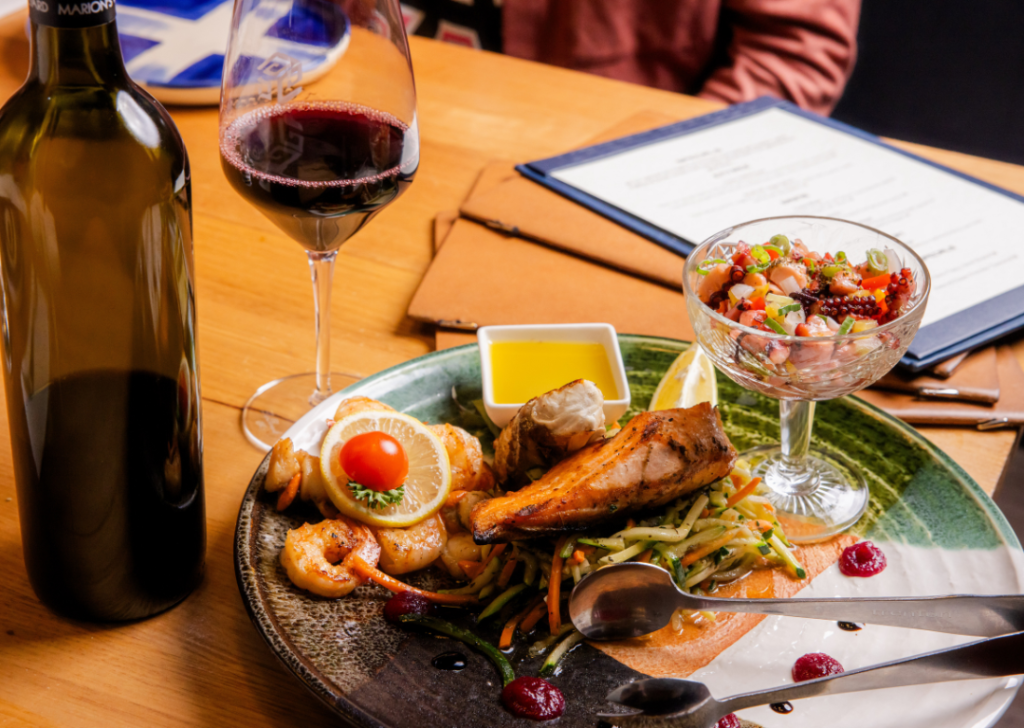
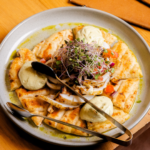
At Urban Greek, charcoal cooking features across dishes including meats prepared with Cretan herbs and spices. It is a cooking method that suits the straightforward philosophy behind Greek cuisine particularly well.
The grill is not there simply to add smokiness. Managing heat, timing and the distance between the food and charcoal all affect the final result. When done well, the outside develops colour and flavour while the food remains tender inside.
For anyone discovering authentic Greek food in Hobart, charcoal-grilled dishes offer an excellent introduction to this traditional style of cooking.
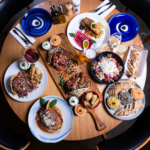
Greek dining is not simply about deciding which individual main course belongs to each person. Sharing is central to the experience.
Meze captures this idea beautifully.
Rather than one large dish arriving for each diner, several smaller dishes can be placed in the centre of the table. Everyone tastes a little of everything, conversation continues between plates, and dinner naturally becomes a longer, more social occasion.
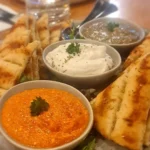
Traditional dips are an important part of this experience. Tzatziki combines yoghurt, cucumber, garlic, dill, vinegar and olive oil, while tirokafteri brings together feta and roasted capsicum with chilli. Melitzanosalata celebrates eggplant, while fava uses yellow split peas to create something completely different.
These dishes demonstrate something important about Greek cooking. Even relatively simple ingredients can produce memorable flavours when preparation and balance are right.
Olive oil is fundamental to Greek and particularly Cretan cooking. It is not simply something used to stop ingredients sticking to a pan. Good extra virgin olive oil contributes flavour and texture and can be used in marinades, salads, vegetable dishes and dips.
Herbs are equally important.
Oregano, dill and other Mediterranean herbs appear throughout Greek cuisine, accompanied by ingredients such as lemon, garlic, yoghurt, feta, olives and vegetables.
The goal is balance. A good Greek dish does not need every Mediterranean ingredient at once. Instead, ingredients are selected because they complement the main component of the dish.
Authenticity does not require ignoring the place where a restaurant operates.
In fact, using good local produce follows one of the oldest principles of Mediterranean cooking: start with the best ingredients available.
Urban Greek uses Tasmanian produce alongside selected Greek ingredients. Tasmanian meat, seafood and seasonal produce can therefore be prepared according to Greek and Cretan techniques and family recipes.
This creates an interesting connection between two food cultures that both value quality ingredients.
For Hobart diners, it means enjoying Greek culinary traditions while still experiencing ingredients associated with Tasmania’s own food landscape.
Food alone cannot fully explain Greek dining culture.
There is a Greek concept called philoxenia, traditionally associated with hospitality and generosity towards guests. That welcoming spirit is closely connected with the way meals are enjoyed.
A Greek table is supposed to feel generous. Plates are passed around, people talk between courses and meals are allowed to take time.
That is why banquet-style dining works particularly well for Greek cuisine. Instead of worrying about choosing one dish, guests can experience different flavours together.
For families, groups of friends and celebrations, sharing also changes the atmosphere of dinner. The table becomes the centre of the evening rather than simply somewhere to sit while eating.
If you are unfamiliar with Greek cuisine, there is no need to understand every dish before visiting a Greek restaurant. In many ways, sharing several dishes is the easiest introduction.
Start with dips and pita, add a few smaller dishes and then explore grilled or slow-cooked options. A banquet can also remove the pressure of choosing and allow the table to experience a broader selection.
Vegetarian diners should not assume Greek cuisine revolves entirely around meat either. Vegetables, legumes, dips, salads and olive oil have been fundamental to Greek and Cretan food traditions for generations.
The best approach is simply to arrive hungry and be willing to share.
Authentic Greek food in Hobart is not defined by one particular dish. It comes from the combination of traditional recipes, regional influences, ingredients, cooking techniques and the culture surrounding the table.
At Urban Greek, Cretan family traditions provide the foundation. Charcoal cooking, house-made dips, shared dishes, quality Tasmanian produce and selected Greek ingredients bring those traditions to Hobart without losing their origins.
Perhaps most importantly, Greek dining is about generosity. It is food intended to be placed in the middle of the table, talked over, passed around and enjoyed without rushin